How UK Payment Gateways Sync with Live Dealer Interfaces to Support Controlled Play Sessions
David Meier · Aug 21, 2026
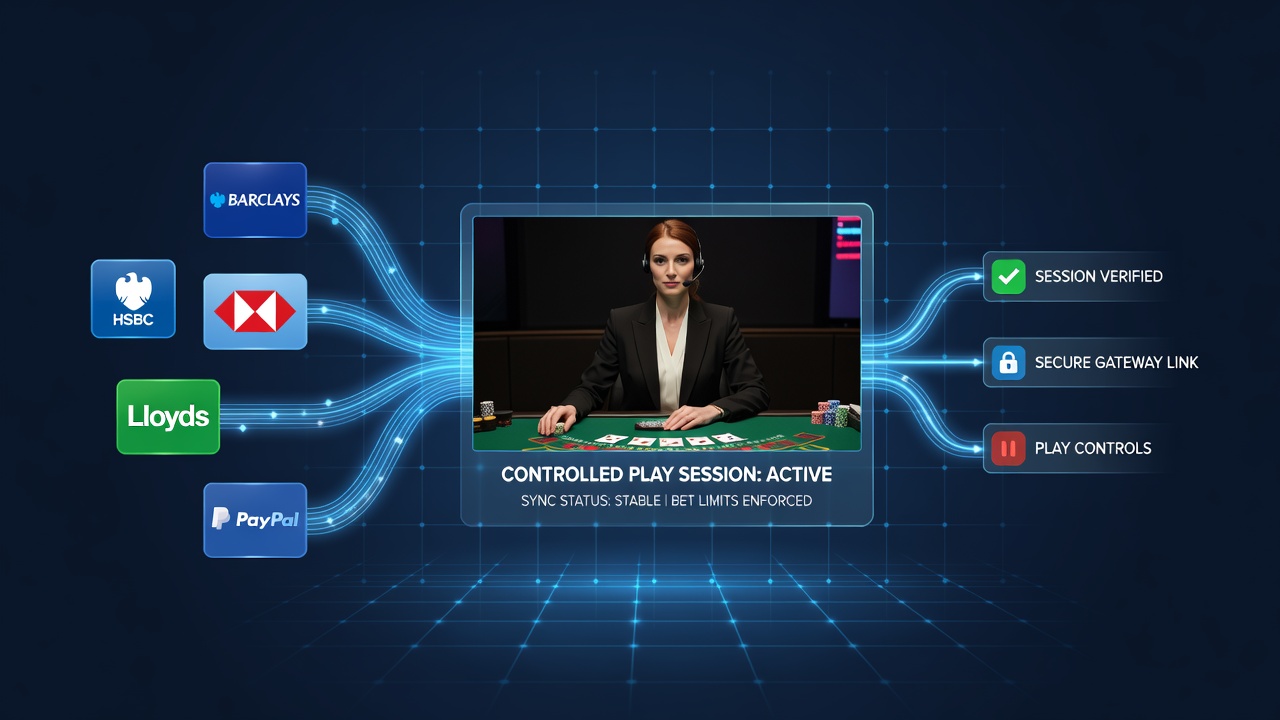
How UK Payment Gateways Sync with Live Dealer Interfaces to Support Controlled Play Sessions
Payment gateways in the UK connect directly to live dealer platforms through secure APIs that transmit transaction data and session parameters in real time, allowing operators to enforce spending limits and time restrictions without interrupting gameplay. These integrations rely on encrypted channels that push updates from banking processors to game servers, where they trigger alerts or pauses when users approach preset thresholds. Observers note that this setup maintains continuous monitoring across roulette tables, blackjack rounds, and other streamed games, pulling account balances and activity logs every few seconds to keep controls active.
Core Mechanisms of Gateway to Interface Communication
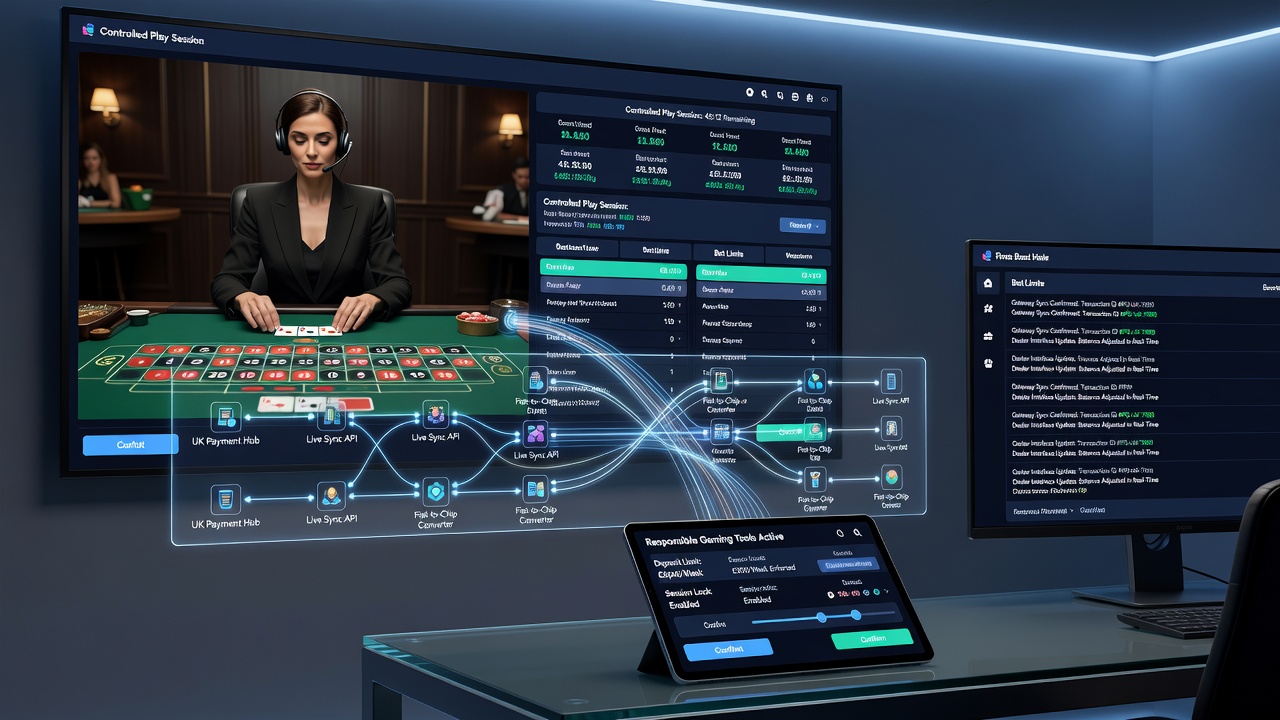
Developers configure payment systems to exchange structured messages with dealer software using protocols such as WebSockets for low-latency updates alongside traditional REST calls for batch verifications, and this dual approach lets deposit requests reach the game floor almost instantly while withdrawal approvals sync back to the banking layer without delay. Researchers have documented cases where a single transaction triggers multiple checks against responsible gaming flags stored in both the payment processor database and the live session manager, preventing further bets once limits activate. Data from industry reports indicates that these handshakes typically complete in under 200 milliseconds, keeping the dealer and player unaware of the background verifications.
Enforcing Session Controls Through Synchronized Data
Controlled play features gain effectiveness when payment gateways feed live dealer interfaces with granular user profiles that include daily deposit caps, loss limits, and mandatory break timers, and the interface then pauses betting options or dims the wager button once those boundaries near. Studies from academic institutions show that such synchronization reduces instances of extended sessions because the game software receives the same constraint data the banking system holds, creating a unified enforcement point rather than relying on separate checks. One documented implementation revealed that when a player sets a 60-minute session cap through their account portal, the gateway relays this value to the dealer stream within the same encrypted packet that confirms the initial deposit, locking the table interface accordingly.
Security Protocols and Compliance Standards
Encryption standards such as TLS 1.3 protect the data streams between UK payment processors and overseas live dealer servers, while tokenization replaces card details with unique identifiers that travel across the connection to minimize exposure during each sync event. Reports from the European Gaming and Betting Association highlight how these layered protections meet cross-border requirements, allowing operators to maintain audit trails that regulators in multiple jurisdictions can review. Meanwhile, authentication tokens refresh automatically during extended play periods, ensuring that any reconnection after a network hiccup still carries the current limit status without resetting controls.
Technological Infrastructure Supporting Real-Time Updates
Cloud-based middleware often sits between the gateway and the dealer platform, queuing messages during peak traffic and prioritizing control-related packets over simple balance queries, and this architecture prevents bottlenecks when thousands of users place simultaneous bets on streamed tables. Observers point to load-balancing techniques that distribute sync requests across regional nodes, keeping latency low even when international players connect through UK-licensed sites. Figures from technology research centers reveal that failover systems activate within 50 milliseconds if a primary gateway link drops, rerouting the session data through secondary channels so limits remain enforced without interruption.
Developments Scheduled for August 2026
Industry roadmaps indicate that several payment providers plan to roll out enhanced API versions in August 2026, incorporating expanded fields for behavioral analytics that live dealer interfaces can consume to adjust table prompts dynamically. These updates will allow gateways to push not only hard limits but also suggested cooling periods derived from aggregated play patterns, all while preserving user privacy through aggregated data sets. Preparations include testing new webhook endpoints that deliver instant notifications to dealer software when external banking rules change, such as updated fraud detection thresholds that could affect session continuity.
Integration Examples Across Platforms
One operator implemented a direct socket connection between its chosen UK gateway and a Malta-hosted live casino provider, resulting in deposit confirmations appearing on the dealer screen within the same frame that updates the player's chip count. Another setup demonstrated how self-exclusion lists stored at the payment level propagate to active game streams, automatically removing affected accounts from ongoing tables without manual intervention from support staff. Data from these deployments shows consistent performance across both high-volume evenings and quieter daytime periods, confirming that the synchronization scales effectively.
Conclusion
The synchronization between UK payment gateways and live dealer interfaces creates a closed loop where financial controls and gameplay restrictions operate from a single source of truth, and ongoing refinements scheduled through 2026 aim to strengthen that connection further. External sources such as reports issued by the American Gaming Association provide additional context on similar global patterns, underscoring how these technical bridges support consistent application of session management tools across different markets and time zones.