The Intersection of Free Roulette Simulations and Payment Security Protocols in UK-Regulated Platforms
Bianca Lorenz · Aug 25, 2026
The Intersection of Free Roulette Simulations and Payment Security Protocols in UK-Regulated Platforms
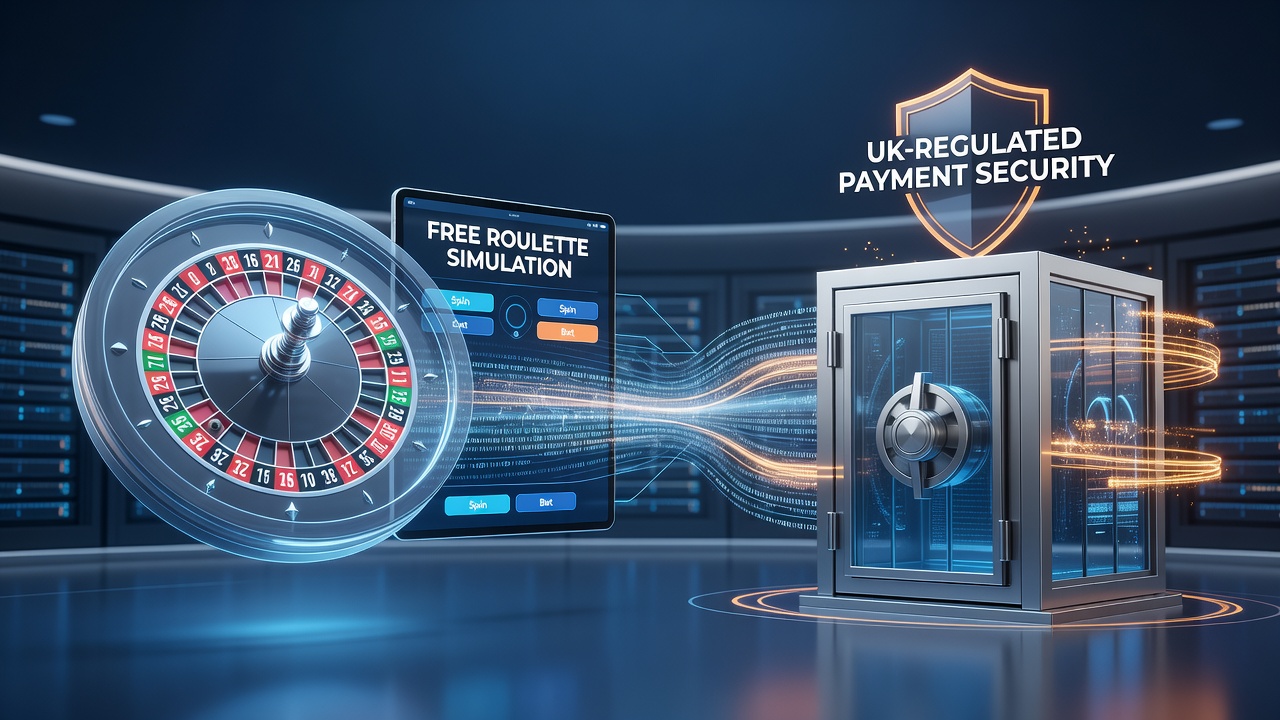
Free roulette simulations allow users to engage with game mechanics without financial stakes, and these tools connect directly to payment security frameworks that protect transaction data on UK-regulated platforms. Observers note that simulations provide environments where developers test interface responses while payment gateways maintain encryption standards such as TLS 1.3 and tokenisation processes. Data shows that many platforms integrate these demo modes to verify system stability before any real-money features activate, which reduces exposure during initial user interactions.
Mechanics of Free Roulette Simulations in Regulated Settings
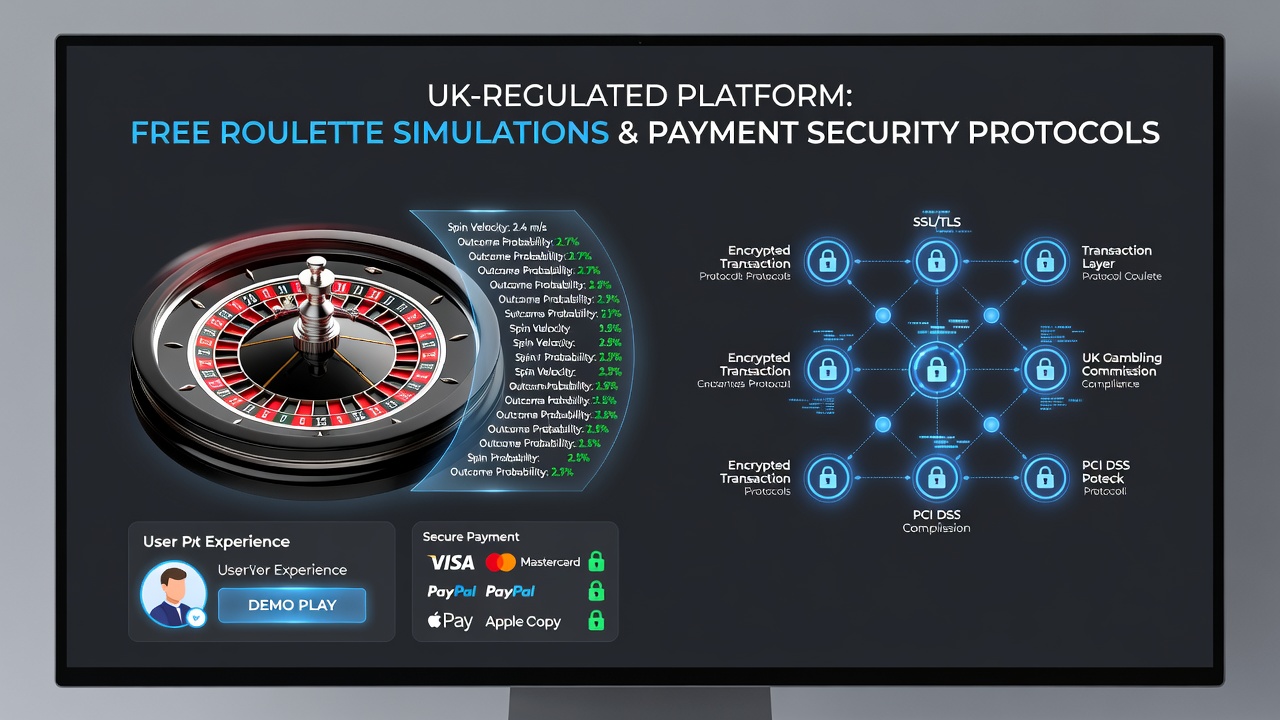
Researchers have documented how free simulations replicate live roulette sequences using random number generators that match those in paid versions, yet they operate without linking to user accounts or stored payment details. This separation means security protocols focus on session isolation rather than fund transfers, and studies from institutions like the University of Nevada's International Gaming Institute reveal that such isolation prevents cross-contamination of test data with operational payment streams. Platforms often log simulation activity separately, which helps compliance teams audit access patterns without involving actual banking interfaces.
Payment Security Standards and Their Application
UK-regulated platforms adhere to protocols that include multi-factor authentication and real-time fraud detection systems, and these measures extend to monitoring how simulation traffic flows through the same network infrastructure. According to reports from the European Gaming and Betting Association, payment gateways employ end-to-end encryption that remains active even when users switch between demo and live modes, ensuring consistent data protection layers. Those who've examined transaction logs find that simulation sessions generate metadata useful for calibrating anomaly detection algorithms, which then apply to genuine deposits and withdrawals.
Integration Points Between Simulations and Security Layers
Developers connect simulation environments to backend security modules so that any attempted bypass of demo restrictions triggers immediate protocol reviews, and this linkage allows platforms to refine access controls without disrupting user experience. Evidence suggests that in August 2026 several operators updated their systems to include quantum-resistant encryption pilots, which tested successfully across both simulation and payment channels. What's interesting is how these updates let teams validate new security patches in isolated demo spaces first, before rolling them out to financial functions.
One study revealed that simulation usage data helps identify potential weak points in payment flow timing, such as delays during peak hours, and operators use this information to adjust load balancing on secure servers. But here's the thing: because simulations do not process funds, they serve as low-risk testing grounds for protocol enhancements that later safeguard real transactions. Platforms document these tests through detailed reports that regulatory bodies review during periodic assessments.
Case Examples from Platform Operations
There's this case where experts found that a mid-sized operator used simulation logs to detect unusual API call patterns, which prompted an early upgrade to their tokenisation service and prevented similar issues from reaching payment stages. Figures reveal that across multiple UK platforms, simulation traffic accounts for a measurable portion of daily server activity, providing volume that strengthens machine learning models for fraud prevention. Observers note that this volume also supports stress testing of security certificates during high-traffic periods without financial consequences.
Academic sources indicate that integration of simulation tools with payment security creates feedback loops where performance metrics from demo play inform encryption key rotation schedules. Those who've studied this process describe how platforms maintain separate but parallel audit trails, one for gameplay behaviour and another for monetary movements, while both feed into a unified compliance dashboard. This structure keeps regulatory reporting accurate and reduces the chance of data overlap errors.
Developments Expected Around August 2026
Industry reports project that by August 2026 enhanced simulation capabilities will incorporate biometric verification prompts during extended demo sessions, mirroring requirements already present in live payment flows. Such features aim to familiarise users with security steps before they transition to funded accounts, and data from pilot programmes shows improved retention when these prompts appear gradually. Researchers continue to track how these additions affect overall platform load and encryption overhead.
Conclusion
The connection between free roulette simulations and payment security protocols demonstrates a layered approach to system integrity on UK-regulated platforms, where testing environments support the refinement of protective measures. Evidence from multiple sources confirms that this intersection enables safer development cycles and stronger fraud detection without exposing financial data. As protocols evolve, simulation tools remain central to maintaining consistent standards across both gameplay and transaction layers.